
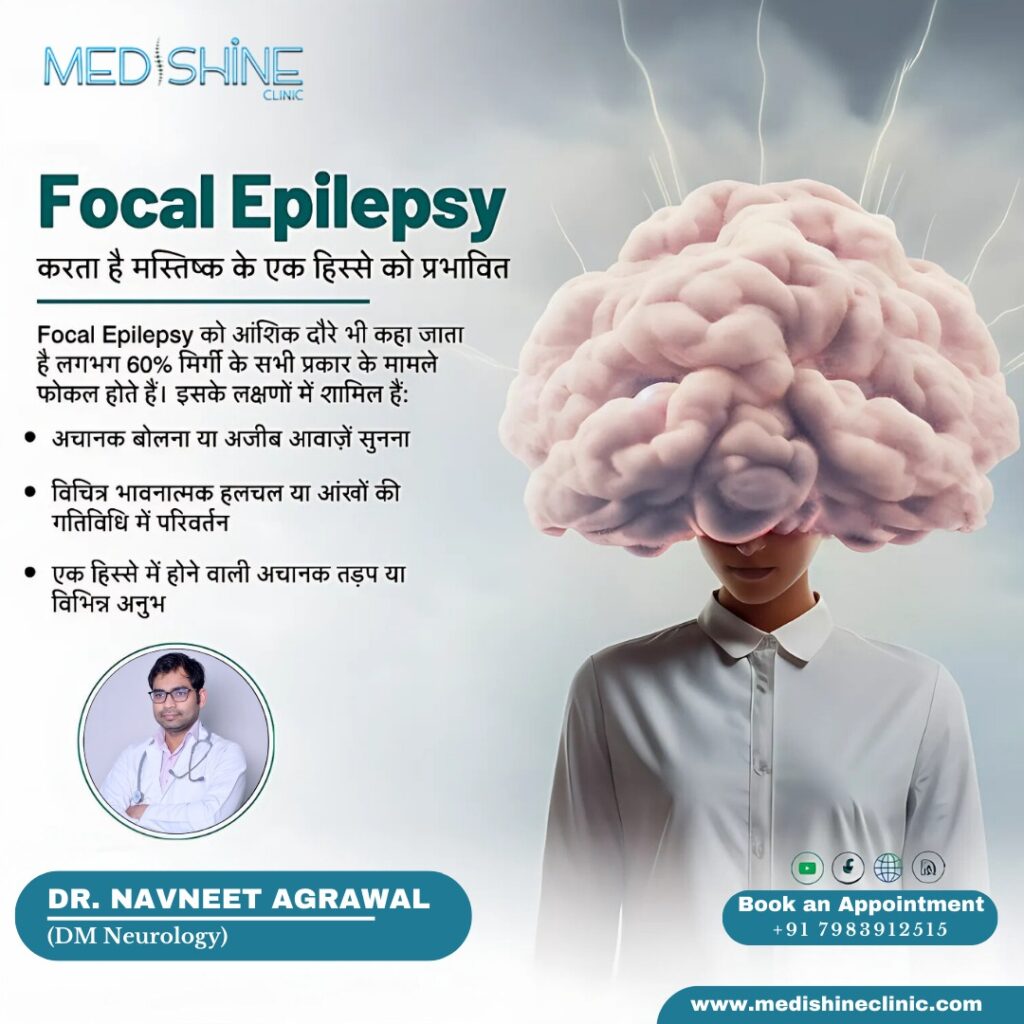
Focal Epilepsy, also known as partial seizures, is a common neurological condition affecting nearly 60% of all epilepsy cases. It is characterized by abnormal electrical activity in one specific part of the brain, leading to a range of symptoms that vary based on the affected area. In this blog, we will delve deeper into Focal Epilepsy, its symptoms, causes, and treatment options.
What is Focal Epilepsy?
Focal Epilepsy originates in a localized region of the brain. Unlike generalized epilepsy, which affects the entire brain, focal epilepsy impacts only a specific area, resulting in symptoms unique to the affected region. It can manifest in different forms, depending on the individual’s condition and the area of the brain involved.
Symptoms of Focal Epilepsy
The symptoms of Focal Epilepsy can be subtle or pronounced, including:
- Sudden Speech Issues or Hearing Strange Sounds: Individuals may experience difficulty speaking or hearing unusual sounds that others cannot perceive.
- Unusual Emotional or Visual Disturbances: Patients often report experiencing intense emotions, visual changes, or altered eye movements.
- Localized Seizures or Strange Sensations: These may involve muscle jerks, tingling, or an odd feeling in one part of the body.
Understanding these symptoms is crucial for early diagnosis and effective management of the condition.
Causes of Focal Epilepsy
Focal Epilepsy can arise due to various factors, including:
- Head Injuries: Trauma to the brain may result in abnormal electrical activity.
- Brain Infections: Conditions like meningitis or encephalitis can trigger epilepsy.
- Stroke or Tumors: Structural abnormalities in the brain are often linked to focal seizures.
- Genetic Factors: A family history of epilepsy increases the likelihood of developing the condition.
Diagnosis of Focal Epilepsy
Diagnosing Focal Epilepsy requires a detailed medical history and diagnostic tests such as:
- Electroencephalogram (EEG): Records the brain’s electrical activity to detect abnormalities.
- Magnetic Resonance Imaging (MRI): Provides detailed images of the brain to identify structural issues.
- CT Scans: Helps detect tumors, strokes, or injuries linked to seizures.
Treatment Options for Focal Epilepsy
Treatment for Focal Epilepsy focuses on controlling seizures and improving quality of life. Common approaches include:
- Medications: Anti-epileptic drugs (AEDs) are the first line of treatment.
- Surgery: In cases where medication is ineffective, surgical removal of the affected brain area may be considered.
- Vagus Nerve Stimulation (VNS): A device implanted in the chest delivers electrical signals to the brain to reduce seizure frequency.
- Lifestyle Modifications: Maintaining a healthy diet, adequate sleep, and stress management can complement medical treatments.
Living with Focal Epilepsy
While Focal Epilepsy can significantly impact daily life, many patients manage the condition effectively with proper treatment and support. Regular follow-ups with a neurologist and adherence to treatment plans are essential for reducing seizure frequency and improving overall well-being.
Consult an Expert
If you or a loved one experience symptoms of Focal Epilepsy, consult a specialist immediately. At Med Shine Clinic, Dr. Navneet Agrawal (DM Neurology) provides comprehensive care and personalized treatment for neurological conditions, including epilepsy.
Book an Appointment Today! Contact us at +91 79883912515 or visit our website at www.medishineclinic.com to schedule your consultation.
Visit Us: Google Location
Address: MEDISHINE CLINIC, OP plaza, 1/2 sec13c, behind cross road mall, Near Kargil Petrol Pump, Avas Vikas Colony, Sikandra, Agra, Uttar Pradesh 282007
Phone: 079839 12515